
Gherkins Guide | Health Benefits, Varieties, and Culinary Uses
1. What Are Gherkins?
Botanical Overview
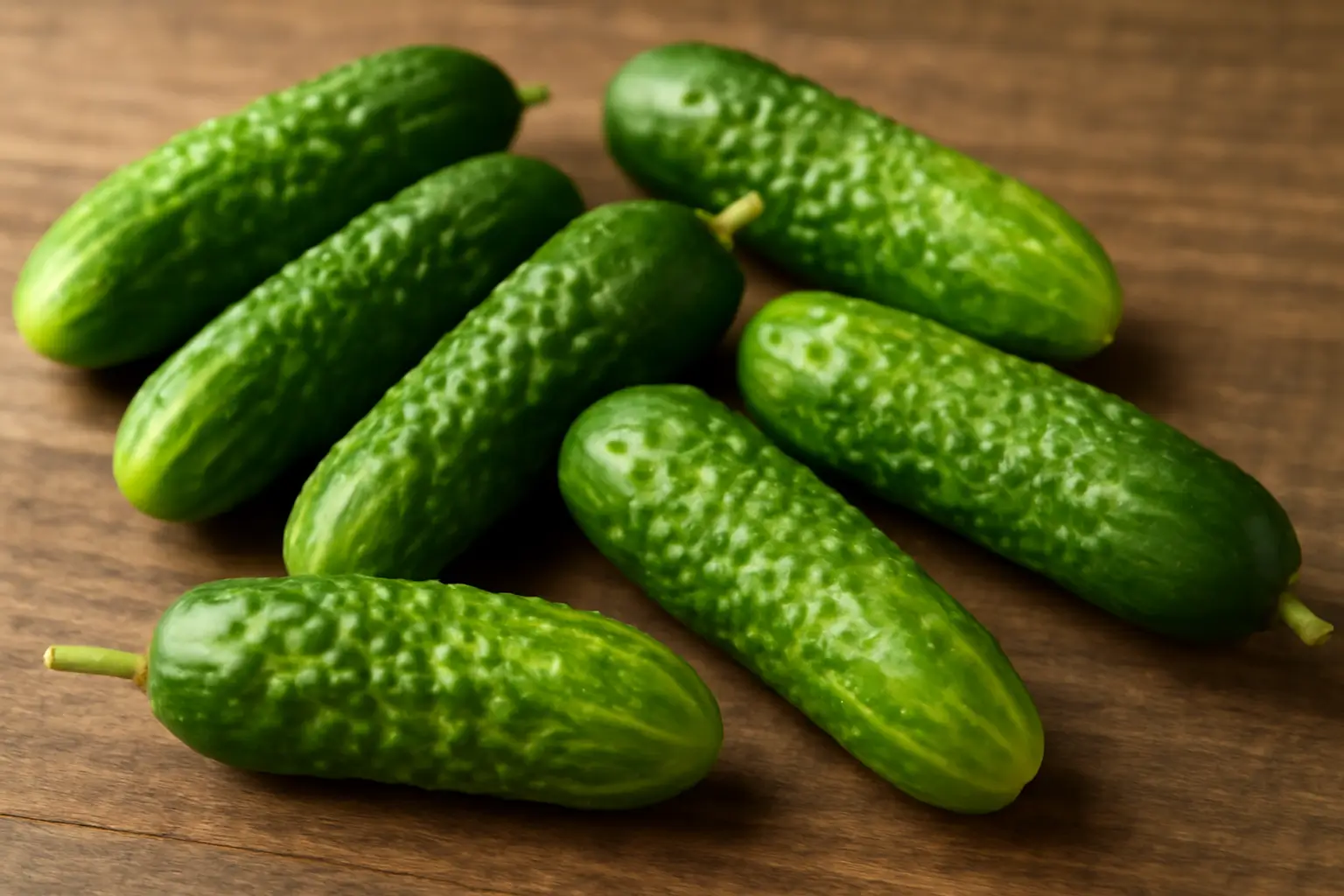
Gherkins are a variety of cucumber (Cucumis sativus) only that this cucumber is of a comparatively smaller size than the average cucumber. Gherkins are botanically picked when they are young and before they grow to full size. They measure approximately 2-4 inches in length making them their trademark bite-sized. They are also best to pickle when fresh because they contain a slight, refreshing crunch and have a firm texture.
History and Origin
Gherkins have ancient origins and, some sources suggest, one can trace their origin back to the Egyptian times around 2000 BCE. Originally, they were grown in the Mediterranean area and were transferred to Europe and the whole world. The gherkin is named after the Dutch word gurken meaning little cucumber. Gherkins became common in many cuisines, particularly in Europe as over the centuries, they were commonly used to garnish meat or to add flavor to a sauce.
2. What is the Difference between Gherkin and Cucumber?
Size and Appearance
Cucumbers may grow up to more than a foot, whereas gherkins are usually small; about 2-4 inches. Being small is an advantage since they are the ideal pickling ingredient because they readily absorb the taste of brine or vinegar.
Flavor Profile
Gherkins have a stronger taste, which is more tangy than regular cucumbers which have a more watery taste. Gherkins are said to taste slightly bitter and tart and hence pickling is the best way to consume them.
Usage Differences
Cucumbers are also prepared mostly in a salad, sandwich or consumed raw whereas gherkins are mostly pickled and served as snacks or condiments. Gherkins have a strong tangy taste and hence they are best served with meats, cheeses or with cocktails and cucumbers are usually served fresh.
3. Gherkin Varieties
Popular Gherkin Varieties
Cornichon:
A traditional French type, they are small, crisp and in many cases even more sour than other gherkins. They are normally marinated in vinegar and flavored with herbs such as tarragon, thus being a main dish with pate and other French foods.
Baby Gherkins:
They are small and crisp gherkins, which are mostly used in preparing homemade pickles. They are simple to maneuver due to their small size and have a sweet-tart taste profile which is ideal when combined with a charcuterie board and a cheese tray.
American Gherkins:
These are a little bigger in size than other types and they also have a milder taste. They are common in the United States, where they are commonly eaten in pickling, and are commonly present in pickled condiments such as relish.
The Differences in Size, Taste, and Texture
Gherkins are small and the texture and taste may differ depending on the gherkin variety. There are also acidic varieties which include the cornichons which tend to be harder and more acidic whereas there are sweeter soft varieties such as the baby gherkins. What makes the right gherkin is pegged on the dish that you prepare and your taste preference.
4. Health Benefits of Gherkins
Gherkins are not only a delicious snack, but also have a number of health advantages. The following are the reasons why you should include them in your diet:
Low-Calorie Snack
This is one of the greatest advantages of gherkins since they contain low calories. Gherkins are a healthy snack as a normal portion of this food has very few calories, and they can be used by people who are trying to keep their weight down.
High in Vitamins and Minerals
Gherkins contain vitamins and minerals that are fundamental. They also contain a good supply of vitamin K which is necessary in clotting blood and development of bones. Also, they contain potassium, used in regulating blood pressure and heart health.
Digestive Health
Gherkins particularly fermented ones can help to improve digestion. Healthy gut microbiome is promoted by fermentation, which presents healthy probiotics. Probiotics are also known to improve digestion and maintain the health of the guts in general.
Hydration
Gherkins have high water content, and thus can be a great way of maintaining the body when there is a hot summer. They are a cool and healthy drink to refresh your thirst.
5. How Are Gherkins Made?
Harvesting and Preparation
Gherkins are also picked when they are young and hard before they can attain maximum maturity. They are picked for farmers at the time when they are fully ripe to remain crunchy. Gherkins are then picked after harvest and picked to be pickled.
Pickling Process
Preservation of gherkins is most commonly done through pickling. They are dipped in a combination of vinegar or brine (saltwater) and other spices such as dill, garlic, mustard seeds and peppercorns. The pickling process will require a few days to several weeks, depending on the flavor that will be intended.
Preservation and Storage
Gherkins are pickles that can be kept stored over a long period of time making them a convenient pantry item. Jars of gherkins once well sealed may last several months to a year (depending on the preservation method employed).
6. Culinary Uses of Gherkins
Gherkins are so varied to cook with. The following are ways through which you can include them in your meals:
As a Snack
Gherkins can be consumed as a standalone dish particularly with cheese or cold meat. Their crispy texture and tangy taste make them a very nice bite on its own or as an accompaniment to other smaller items.
In Dishes
Gherkins may be sliced and placed in salads to give them an additional kick or they can be sliced and added in sandwiches and wraps. They work well on top of dishes such as potato salad, tuna salad and coleslaw too.
In Pickle Recipes
Most pickle recipes consist of gherkins. You can pickle any type of pickles, be it sweet, sour or spicy, as gherkins are a perfect pickle base that gives you the opportunity to use diverse flavours.
Cultural Significance
In other cultures, the gherkins are consumed as a condiment to enjoy the best hearty dishes like meats, cheeses, and bread. Gherkins typically accompany sausages in European cuisine or they are found in stews.
7. Popular Gherkin Recipes
In case you need to add gherkins to your dishes, the following are some of the recipes that you may consider:
Classic Pickled Gherkins
Ingredients:
-
1 lb small gherkins
-
2 cups vinegar
-
1 cup water
-
1 tbsp salt
-
1 tbsp sugar
-
1 tsp mustard seeds
-
1 tsp peppercorns
-
1 garlic clove, smashed
Instructions:
-
Wash and cut the gherkins and remove the ends.
-
In a saucepan, vinegar, water, salt, sugar and spices. Bring to a boil.
-
Put in a jar gherkins, pour over them hot brine and close the jar.
-
Allow it to cool in the refrigerator at least a week and then take pleasure.
Gherkin-Infused Dishes
Attempt to prepare a relish of gherkins, cut them into slices and combine them with onions, mustard, and sugar to create a tangy condiment. It goes well with burgers, hot dogs or even the grilled cheese sandwich.
8. Gherkins at the Global Market
Gherkins are growing and used all over the world. The leading manufacturers of gherkins are such countries as India, Poland and the United States. Gherkin farming has now become a major industry in most places in the world as the demand of pickled foods is on the rise.
Economic Importance
The gherkins is important in the food export market in the global economy, and not only in the farming industry. Gherkin production and export can contribute to the agricultural economy of most countries.
Conclusion
Gherkins are not merely a pickle, as they have a very rich history and are used in a variety of ways in cooking. These mini cucumbers are very powerful in terms of taste as well as health advantages. You can use gherkins in a dish, take them as a snack or prepare your own pickles so they should be a part of your kitchen. Next time you get to the store therefore do not forget to buy a jar of gherkins and see how you can incorporate them in your meals!
More to Check: Markiseteppe | Transform Your Outdoor Space with Style and Functionality